
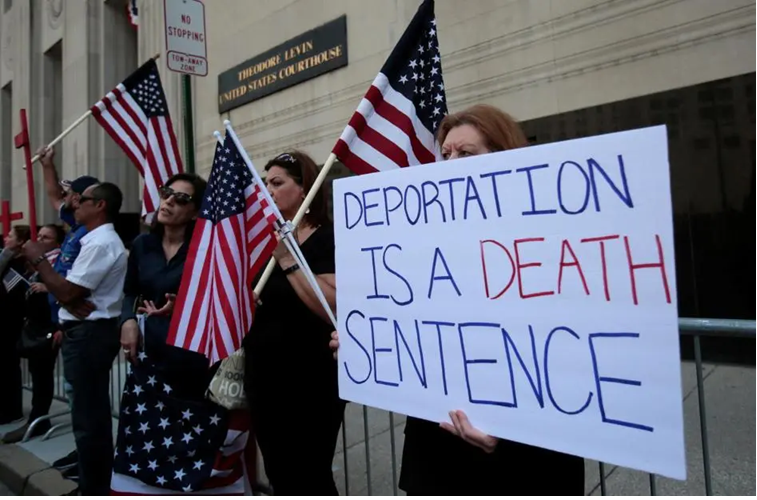
Below is a clear, informative, and SEO-optimized article using the focus keyword: Trump Deportation Policies. The tone is to the point, neutral, and easy to understand, suitable for immigrants, families, and community readers.
Trump Deportation Policies: Who Is at Risk and What Could Change
Trump deportation policies have been one of the most talked-about and controversial aspects of U.S. immigration enforcement. During Donald Trump’s presidency, immigration authorities expanded enforcement priorities, increased deportations, and reduced protections for many immigrant groups. As discussions about Trump’s return to office continue, many immigrants are asking the same question: Who is most at risk, and what could change again?
This article explains Trump deportation policies in simple terms, who they target, and what immigrants should be aware of moving forward.
What Are Trump Deportation Policies?
Trump deportation policies focused on strict enforcement of immigration laws. The administration removed limits on who could be deported and gave broader authority to immigration officers.
Key characteristics of Trump deportation policies included:
- Expanded deportation priorities
- Increased ICE (Immigration and Customs Enforcement) operations
- Faster removals with fewer court protections
- Reduced discretion for immigration officers
Under these policies, any undocumented immigrant could become a deportation priority, not only those with serious criminal records.
Who Is Most at Risk Under Trump Deportation Policies?
1. Undocumented Immigrants
Under Trump deportation policies, all undocumented immigrants were considered at risk, regardless of how long they had lived in the U.S. or whether they had family ties.
2. Immigrants With Criminal Records
Individuals with:
- Felonies
- Misdemeanors
- Old or minor offenses
were top enforcement priorities. Even non-violent crimes could trigger deportation proceedings.
3. Recent Border Crossers
Trump deportation policies emphasized rapid deportation for people who recently entered the U.S., often through:
- Expedited removal
- Limited access to asylum hearings
4. Asylum Seekers
Many asylum seekers faced:
- Detention while cases were pending
- Denial of asylum under stricter standards
- Removal to third countries
5. DACA and Temporary Status Holders
Although DACA recipients were not immediately deported, Trump deportation policies attempted to end DACA, creating fear and uncertainty for hundreds of thousands of immigrants.
How Trump Deportation Policies Were Enforced
Trump deportation policies relied heavily on:
- ICE workplace raids
- Local law enforcement cooperation
- Expanded detention centers
- Increased immigration arrests
Immigration officers were encouraged to act quickly, sometimes arresting individuals during routine check-ins or traffic stops.
What Could Change If Trump Returns to Office?
If Trump returns to the White House, immigration experts expect:
- A return to aggressive deportation policies
- Expanded use of expedited removals
- Reduced humanitarian protections
- Increased border enforcement
- Tighter asylum rules
Trump has publicly stated plans for mass deportations, which could significantly impact immigrant communities nationwide.
How Immigrants Can Prepare
Even without policy changes yet, immigrants can take practical steps:
- Know your immigration status
- Keep documents organized
- Understand your legal rights
- Avoid unnecessary legal risks
- Seek advice from a qualified immigration attorney
Preparation is key under any strict enforcement environment.
Final Thoughts
Trump deportation policies reshaped U.S. immigration enforcement by expanding who could be deported and how quickly removals could happen. Undocumented immigrants, asylum seekers, and those with past legal issues faced the highest risk.
As political discussions continue, staying informed and prepared is essential. Understanding Trump deportation policies helps immigrants make informed decisions and reduce uncertainty during times of change.